NOTE: the article below is written for horses but the information contained is applicable for all pets.
Bach Flower Remedies/ Bach Rescue Remedy
Bach Flower Remedies are a system of holistic natural healing that grew up out of homeopathic medicine. Flower Remedies are to the emotional body what homeopathics are to the physical body. Each of the 38 Remedies correlates to an emotional state such as fear, self doubt or worry. The Flower Remedies act as a catalyst so that an animal's own system can achieve balance after being in a state of imbalance due to the stress of a period of strong emotion. These strong emotions scientists have found to be the seed of most physical disease. It, therefore, is logical to say if you achieve an emotional balance you also will affect the physical dysfunction.
The Flower Remedies are an approved Food and Drug Administration over the counter remedy and available to anyone without a prescription. They have no side effects, can be taken with any homeopathic remedy or allopathic drug and overdose is impossible.
Note: Please substitute the word ANIMAL for any species listed below (such as horse).
Bach "Rescue Remedy"
In the early 1930's the noted British physician and scientist, Dr. Edward Bach, observed that many of his patients would display emotional and psychological difficulties such as apprehension, worry, loneliness, boredom, depression, uncertainty, hopelessness or fear prior to the onset of physical illness. He also noted these same difficulties inhibited the body's natural healing ability to prevent and/or overcome disease. Leaving his lucrative Harley Street practice, Bach moved to the English countryside and dedicated his life to studying the relationship between a person's state of mind and the onset of progression of disease.
Unlike standard medical approaches which treat physical symptoms, Bach believed the only way to truly prevent or deal with an illness, once manifested, was to address the underlying emotional causes. Concerned over the misusage and side- effects of most chemical drugs, Bach believed a safe, gentle treatment could be found in nature.
After many years of research and testing, Bach discovered that the preparation of 38 flowering plants, trees and special waters alleviated a broad range of emotional and psychological difficulties. Bach also developed a highly effective combination emergency rescue formula for the relief of stress during acute stressful situations. "Rescue Remedy" is regarded as the panacea Remedy, having the ability to calm and distress any situation especially, those created by traumatic incidents where an animal was terrorized, injured, or abused.
But, how does one know what emotions animals are experiencing? You would be surprised as to how easy it is to "read" an animal. All it takes is some observation and a little insight. You might discover that animals take less effort than humans!
The Flower Remedies come in small stock bottles. Cost is anywhere from $16 (10 ml) -$25 (20ml). This concentrate is used to make a dilution of a formula just for you or your horse. Four to six drops are added along with a teaspoon of brandy or apple cider vinegar to a 1 ounce dropper bottle. Fill the rest of the way with spring water and shake vigorously up and down.
The Remedies can be taken directly from the stock bottle or from the personal dilution bottle by placing 2 - 4 drops in your horse's feed or water. The Remedies are easy and convenient to use with varied methods of application that can be selected to suit an individual's specific needs. The most common forms of administering the Remedies are placing them into the animal's food or water; dropping them directly into the animal's mouth; or rubbing the needed remedies on one's hands before petting them. Another innovative method for stalled horses is to place the Remedies into an automatic misting units such as fly repellent units.
In acute or emergency situations, you can apply the Remedies every few seconds until a change is noticed, then every 5 minutes until another change is noticed, and then every fifteen minutes. By this time, your horse should be calm and restored to an acceptable level of homeostasis. Normally giving the Remedy 4 - 8 times daily is acceptable, especially immediately upon rising and before retiring.
There is no improper or wrong method of applying the Bach Remedies. It is truly not necessary to be precise in counting the number of drops in any of the dilution methods. The suggestions given, herein, are merely to offer a reasonable parameter of accepted dilution methods. Follow your own judgment and insights. Remember, you cannot overdose the Remedies for they are non-toxic.
The following is a description of the Flower Remedies that make up Rescue Remedy, the most commonly used Bach Flower Remedy. Rescue Remedy is not a Flower Essence in itself but a combination of five of original Remedies. Once these five remedies are combined, the Rescue becomes an essence unto itself. It is different combined, than its individual essences.
Clematis
- Increases attention span and ability to focus on the training lesson at hand.
- When the animal is comatose or unconscious for any reason; returning the animal to consciousness.
- After any surgery to increase recovery alterness time.
Impatiens
- For the very nervous animal.
a. Any form of nervous difficulties, especially those that have the nervous shakes.
- For the overly anxious animal.
a. At feeding times
b. Before a race
c. For animals that have epileptic type fits especially when agitated by being overly excited or upset.
Impatiens is for any form of pain.
Rock Rose
- For any form of terror and panic
a. After an accident, injury, fire or any terrifying event.
b. For the overly fearful animal that possibly was terrified sometime in their life. Fear does not dissolve naturally.
- Rock Rose is for dauntless courage.
a. For animals that are used in service to mankind such as police work.
- For the courageous animal to accentuate their already innate abilities.
Cherry Plum
- For the animal that looses control, becoming wild and crazed.
a. for vicious animals that become dangerous when provoked.
b. For the high strung animal, including horses, that lose control easily.
c. for the animal that is destructive, losing control.
d. Losing control when seeing another animal enter into their territory.
e. To help retain control during mating season for both sexes.
- To remain in control when:
a. In competition when stressed by strange people, noises, animals.
b. Training animals not to react to gun fire.
- For the animal that becomes frantic when traveling such as horses that spook when being placed in trailers.
- For the animal that suffers from:
a. Seizures or anxiety attacks
- The animal who chews himself
a. Allergies to grasses
b. Staying away from stitches after surgery.
Star of Bethlehem
- Star of Bethlehem is for all forms of trauma.
a. For the emotional trauma from the loss of a loved master or mate.
b. Physical trauma after an injury of any kind.
c. Birthing trauma
d. Traumatized from extreme cold or heat.
- Star of Bethlehem is needed any time comfort is indicated. a. To give comfort to animals who were left alone or are in a kennel feeling unloved.
b. For an injured or ill animal who is required to remain at a veterinary clinic, during which one time their owners are there with them.
NOTE: Rescue Remedy is not meant to take the place of emergency medical treatment. In serious conditions or situations requiring medical attention, a veterinarian should be notified immediately.
Agrimony
- Agrimony is for the animal that never complains, even when it is obvious that the animal is in pain.
- Useful for any kind of skin infestation or irritation that causes the animal to chew themselves raw: biting ticks, fleas and flies, parasites, mange, eczema.
- For the restless animal that roams from place to place. For the animal that paces back and forth - stall weaving in horses.
Aspen
- For horses that "spook" very easily.
- For use when a horse is anxious for some unknown reason and refuses to enter certain stalls.
Beech
- Beech cures those picky eaters, who of course, prefer only the most expensive foods.
- When intolerant of grasses, insects, dampness, light or dark, heat or humidity or cold.
- For traveling long distances.
Centaury
- For the timid horse that gets easily pushed around in the pasture.
- Increases an animal's will to live when fighting an illness, after an accident or during a difficult delivery for a mare and foal.
- For horses used in the military or police service.
Cerato
- For the "air head" or inattentive horse that appears too stupid to learn or learns very slowly.
- Cerato keeps animals "on track". Therefore, it is ideal to administer before and during a training session and during competitive events.
Chestnut Bud
- To break bad habits such as: horses that won't leave the barn or trailer.
- During any new training session to increase memory retention.
- To break old habits taught by other trainers.
- Enables horses to be more sure-footed on mountain trails - more keenly aware of their surroundings.
Chicory
- For the animals who thinks they "own" their master.
- Use at weaning time to help mare and foal to separate.
- The key word for Chicory is "congestion". If an animal has organic,congestive symptoms such as in the lungs, bowels, heart or nasal passages and the animal is desirous of attention, then, chicory could be indicated.
Crab Apple
- To cleanse all wounds, abrasions, or rashes.
- To rid animal and surroundings of any annoying odors.
- To help diminish their scent when in season.
Elm
- Anytime an animal is overwhelmed by rigors of traveling, such as horses traveling in trailers or airplanes.
- For being overwhelmed by something. Horses being shod, too many strangers in their space, being placed in unfamiliar territory.
- for easily-overwhelmed, high strung horses.
Genetian
- For set backs of any kind, such as being relocated, sold or given again and again.
- For long illnesses or when there is a relapse.
- Depression resulting from the set back experienced by an animal when, for example, it's baby dies.
- For horses that have had a bad experience due to injury or an abusive trainer and now has little initiative to re-begin a training routine.
Gorse
- Gorse is indicated when there is a challenging situation where there are signs that the animal has given up or feels that the condition is hopeless. For example: A horse badly abused or abandoned needing to have their hope of living restored; a critical injury or surgery, for a horse that has been severely neglected.
Heather
- For the horse that has to be the center of attention.
Holly
- For horses who are known to be mean and dangerous.
- When the horse is performing unacceptably. Being dangerous, or a horse causing other horses to react.
- To be taken when mare rejects her foal.
- For the surrogate mother and adopted baby to accept each other.
- When there is a need for more love such as in abused and neglected horses.
Honeysuckle
- for the sulking horse that is lamenting the loss of their master, mate or baby caused by death or separation.
- For horses that have been over-exerted or exhausted.
- For horses that do not perform well when away from home.
Hornbeam
- For the horse that appears mentally lethargic and tired during riding but when it is freed it jumps about with plenty of energy to spare. Or, for the horse that peps up when near the barn.
- For race horses to face the race and jump out of the shoot first.
Larch
- To increase confidence. For the horse that has had their confidence beaten out of them, or for the horse that performs better in pairs.
Mimulus
- For known fears such as thunder and lightning, crossing water, of strange noises, of strange objects. - For the shy, timid, fearful, or abused horse.
Mustard
- For the horse that is experiencing very deep depression.
- For the horse that has personality changes when "in season".
Oak
- For the horse that is a hard worker yet seems to be over burdened, needing to struggle with the task at hand.
- to rebuild the strength of horses that have been starved or mal-nutritioned, over bred, over worked, over exposed to weather extremes.
- Take Oak in preparation for strenuous times ahead.
Olive
- For exhaustion from an especially long ordeal, as in the case of long term pain or abuse caused by the elements, an illness, man's cruelty or predators.
- If plagued with allergies that cause the adrenal system to become exhausted.
Pine
- Pine is the suffering remedy. The Pine type will take it upon themselves their master's pain or illness.
Red Chestnut
- For use when an animal sense impending danger such as: tornadoes, earthquakes, hurricanes, being taken away to the vet or being put to death.
Rock Water
- Increases flexibility for animals that have stiff joints and muscles. Massage topically into stiff sore joints and muscles. Will achieve a more fluid gait.
- For the stubborn or cantankerous horse who refuses to flow with when forced to adhere to a new set of rules. Is uncompromising and inflexible.
Scleranthus
- For the horse that has equilibrium difficulties. For horse that are clumsy.
- for neurological confusion - such as might happen with some kinds of seizures.
- For mares with "yo-yo" hormones that often cause "yo-yo" emotions.
- For horses that suddenly buck or bite.
Sweet Chestnut
- Give Sweet Chestnut during competitive events when the horse shows sign of fatigue that indicate it might not finish the event. Sweet Chestnut strengthens them mentally so that they can perform well physically.
- Sweet Chestnut is for endurance energy and therefore, ideal to tap hidden reservoirs of energy before a physically taxing event.
- To prevent burn out.
Vervain
- For the very intense, hyperactive, high energy horse. This type of horse appears to have inexhaustible energy. This type is anxious to learn but is often difficult to teach because it has it's own way of achieving a lesson's objective.
Vine
- For the horse that thinks he is the "master" and rules the barn, stall or pasture.
Walnut
- Walnut protects against outside influences such as insecticides, pollution and sensitivities to pollens and grasses.
- Protects by insulating the horse due to changes in it's environment - new owners, new barn or when traveling.
- Walnut eases hormonal cycles.
Water Violet
- Water Violet is indicated for the horse that prefers to be left alone, especially when ill.
- For horses that never receive attention and are forgotten by their owners, rarely being released from their stall.
White Chestnut
- White Chestnut works to quiet and still an animal's mind during training sessions or competitive events, enabling them to listen only for their master's command.
Wild Oat
- For the horse that appears depressed, possibly because it is idle and not doing what it was trained to do.
- To create more opportunities to win competitive events.
Wild Rose
- Wild Rose remedies apathy as it's virtuous action evokes the happiness and jubilation for life necessary for: horses confined to stalls and never let out, helping old and grouchy horses to have more fun, for horses that have lost their spirit.
Willow
- Willow is basically for resentment which is caused by feeling victimized by an abuser.
Tuesday, January 08, 2008


Friday, January 04, 2008
Maker of Tainted Dog Food to Pay $3.1M
By MEG KINNARD (Associated Press Writer)
From Associated Press, January 04, 2008 12:57 PM EST
COLUMBIA, S.C. - A company that made contaminated pet food that killed dozens of dogs nationwide will pay $3.1 million in a settlement with pet owners, an attorney said Friday.
The pet food, which contained a mold called aflatoxin, was produced at Diamond Pet Foods' plant in South Carolina. The company will set up a fund to reimburse pet owners for the loss of their dog, veterinarian bills and the cost of any unreturned contaminated food, said attorney Jim Andrews, who represented a Knoxville, Tenn., family that sued the company.
Diamond Pet Foods, based in Meta, Mo., acknowledged that workers at its Gaston, S.C., plant failed to follow internal testing procedures to ensure its products were safe. The company made the acknowledgment after the Food and Drug Administration released a report showing the company has no record of test results for 12 shipments of corn in 2005, when grain tainted with the deadly fungus slipped into the plant.
The company contends it did nothing illegal, according to the settlement. Mark Schell, Diamond's assistant general manager, did not immediately return a telephone message.
Aflatoxin, a naturally occurring chemical that comes from a fungus sometimes found on corn and in other crops, can cause severe liver damage.
The contaminated pet food was sold in 23 states. Diamond recalled about 20 varieties of dog and cat food when a New York veterinarian said in December 2005 that she had linked a dog's death to the company's food.
The 2005 recall is unrelated to the contamination problem that prompted recalls of more than 100 pet-food brands in early 2006. In that case, investigators traced pet deaths to a toxic chemical, melamine, that had been added during manufacturing in China.
---
On the Net:
Diamond Pet Food Settlement: http://www.recalledpetfoodsettlement.com/
Diamond Pet Foods: http://diamondpet.com/
From Associated Press, January 04, 2008 12:57 PM EST
COLUMBIA, S.C. - A company that made contaminated pet food that killed dozens of dogs nationwide will pay $3.1 million in a settlement with pet owners, an attorney said Friday.
The pet food, which contained a mold called aflatoxin, was produced at Diamond Pet Foods' plant in South Carolina. The company will set up a fund to reimburse pet owners for the loss of their dog, veterinarian bills and the cost of any unreturned contaminated food, said attorney Jim Andrews, who represented a Knoxville, Tenn., family that sued the company.
Diamond Pet Foods, based in Meta, Mo., acknowledged that workers at its Gaston, S.C., plant failed to follow internal testing procedures to ensure its products were safe. The company made the acknowledgment after the Food and Drug Administration released a report showing the company has no record of test results for 12 shipments of corn in 2005, when grain tainted with the deadly fungus slipped into the plant.
The company contends it did nothing illegal, according to the settlement. Mark Schell, Diamond's assistant general manager, did not immediately return a telephone message.
Aflatoxin, a naturally occurring chemical that comes from a fungus sometimes found on corn and in other crops, can cause severe liver damage.
The contaminated pet food was sold in 23 states. Diamond recalled about 20 varieties of dog and cat food when a New York veterinarian said in December 2005 that she had linked a dog's death to the company's food.
The 2005 recall is unrelated to the contamination problem that prompted recalls of more than 100 pet-food brands in early 2006. In that case, investigators traced pet deaths to a toxic chemical, melamine, that had been added during manufacturing in China.
---
On the Net:
Diamond Pet Food Settlement: http://www.recalledpetfoodsettlement.com/
Diamond Pet Foods: http://diamondpet.com/
Thursday, July 19, 2007
Animal Wellness Report
Animal Wellness Report
Ten tips for a healthier dog or cat
1. Good food!
A wholesome diet made from ingredients that are as natural and organic as possible is crucial to your dog or cat’s wellness. Choose from a raw frozen or premium canned food and avoid low-end commercial diets that include by-products, high grain content, and artificial additives. Round out his diet with plenty of fresh, pure water. Avoid city tap water – it’s full of chlorine. Use good spring or reverse osmosis water.
2. Vitamins = verve
Your best buddy may also benefit from supplements to boost his wellness. Antioxidants such as vitamins E and C, grape seed extract and CoQ10 are important, as are Omega 3 essential fatty acids, found in salmon and flax oils. Probiotics and digestive enzymes enhance GI health. Consult a holistic vet before starting a supplement program.
3. Don’t overvaccinate
Too many vaccines have been associated with a host of health problems in dogs and cats. Stick with the core vaccines for kittens and puppies and avoid annual boosters. The duration of immunity for core vaccines ranges five to nine years – that’s half a lifetime in most cases! The exception is rabies, which is currently required by law in most regions.
4. Let’s get moving
Regular exercise is as good for your animal as it is for you. It strengthens bones and immunity, oxygenates the blood and organs, and increases mental and emotional well being. Take your dog for a daily walk, or schedule an outdoor playtime. If you have an indoor cat, encourage a few short periods of play throughout the day.
5. Visit the vet
Because your animal can’t talk, he can’t tell you when he’s experiencing unusual symptoms, especially if they’re subtle. Annual veterinary check-ups can catch potential problems before they become serious. It also gives you a regular chance to talk to a professional about the best way to ensure a long and healthy life for your companion.
6. Open wide
A healthy mouth means a healthy body. Gum infections can spread to other body organs and cause serious disease. A proper diet, including raw meaty bones, goes a long way towards good dental health, but it’s also wise to regularly check his teeth and gums for problems, and if necessary, clean his teeth with a holistic dental product for animals.
7. Safe surroundings
A safe, stress-free environment is vital to your animal’s well being at all levels. Avoid using toxic household and lawn care products, including pesticides, and make sure your home and garden don’t pose any safety hazards. Be aware of and remove or minimize any elements or situations that may be causing your dog or cat emotional anxiety.
8. Don’t go hairy
Grooming is something a lot of animal guardians overlook, especially if their companions have short hair. But regular bathing and brushing actually contribute to good health by helping to keep fleas away, getting rid of dirt and dead hair, and preventing skin problems. Brushing also spreads the natural oils over the hair and massages the skin.
9. Training tactics
Just like kids, dogs and cats can develop bad habits if they’re not taught how to behave, and that causes tension for everyone. Make positive training an integral part of your companion’s daily life (consult a professional if you need help). Gentle, reward-based training ensures good behavior and a relationship free of conflict and power games.
10. Lots of love
Last but far from least, your dog or cat needs loads of love and attention. It’s easy to get side-tracked by our jobs and lives, but make sure you spend quality time with your animal every day, petting him, relaxing with him, and telling him how much you appreciate the unconditional love and companionship he gives you. You’ll both benefit!
Ten tips for a healthier dog or cat
1. Good food!
A wholesome diet made from ingredients that are as natural and organic as possible is crucial to your dog or cat’s wellness. Choose from a raw frozen or premium canned food and avoid low-end commercial diets that include by-products, high grain content, and artificial additives. Round out his diet with plenty of fresh, pure water. Avoid city tap water – it’s full of chlorine. Use good spring or reverse osmosis water.
2. Vitamins = verve
Your best buddy may also benefit from supplements to boost his wellness. Antioxidants such as vitamins E and C, grape seed extract and CoQ10 are important, as are Omega 3 essential fatty acids, found in salmon and flax oils. Probiotics and digestive enzymes enhance GI health. Consult a holistic vet before starting a supplement program.
3. Don’t overvaccinate
Too many vaccines have been associated with a host of health problems in dogs and cats. Stick with the core vaccines for kittens and puppies and avoid annual boosters. The duration of immunity for core vaccines ranges five to nine years – that’s half a lifetime in most cases! The exception is rabies, which is currently required by law in most regions.
4. Let’s get moving
Regular exercise is as good for your animal as it is for you. It strengthens bones and immunity, oxygenates the blood and organs, and increases mental and emotional well being. Take your dog for a daily walk, or schedule an outdoor playtime. If you have an indoor cat, encourage a few short periods of play throughout the day.
5. Visit the vet
Because your animal can’t talk, he can’t tell you when he’s experiencing unusual symptoms, especially if they’re subtle. Annual veterinary check-ups can catch potential problems before they become serious. It also gives you a regular chance to talk to a professional about the best way to ensure a long and healthy life for your companion.
6. Open wide
A healthy mouth means a healthy body. Gum infections can spread to other body organs and cause serious disease. A proper diet, including raw meaty bones, goes a long way towards good dental health, but it’s also wise to regularly check his teeth and gums for problems, and if necessary, clean his teeth with a holistic dental product for animals.
7. Safe surroundings
A safe, stress-free environment is vital to your animal’s well being at all levels. Avoid using toxic household and lawn care products, including pesticides, and make sure your home and garden don’t pose any safety hazards. Be aware of and remove or minimize any elements or situations that may be causing your dog or cat emotional anxiety.
8. Don’t go hairy
Grooming is something a lot of animal guardians overlook, especially if their companions have short hair. But regular bathing and brushing actually contribute to good health by helping to keep fleas away, getting rid of dirt and dead hair, and preventing skin problems. Brushing also spreads the natural oils over the hair and massages the skin.
9. Training tactics
Just like kids, dogs and cats can develop bad habits if they’re not taught how to behave, and that causes tension for everyone. Make positive training an integral part of your companion’s daily life (consult a professional if you need help). Gentle, reward-based training ensures good behavior and a relationship free of conflict and power games.
10. Lots of love
Last but far from least, your dog or cat needs loads of love and attention. It’s easy to get side-tracked by our jobs and lives, but make sure you spend quality time with your animal every day, petting him, relaxing with him, and telling him how much you appreciate the unconditional love and companionship he gives you. You’ll both benefit!
Wednesday, July 18, 2007
Reiki Article in Phila Inquirer, July 8, 2007
Try a little reiki
Alternative medicine for furballs with issues
By Meredith Broussard
For The Inquirer
Harlow Whitleigh spends her days gazing out the window of her Fishtown townhouse, eating bonbons and lounging with her best friend, a Yorkshire terrier named Rosco.
Harlow also barks. A small white bichon frise/poodle hybrid, she barks at cars, at the letter carrier, at birds, at customers coming to nearby Johnny Brenda's tavern, and at anyone walking by on the street.
Jeniphur Whitleigh and Michael Pasquarello, who own Harlow and the Loft District's Cafe Lift, have learned to live with Harlow's high-pitched ways. But when Kimberly Fleisher, the director of the Reiki School & Clinic on South Street, offered to try to reduce Harlow's anxiety with a session of reiki, the restaurateurs were happy to see if the Japanese healing method would calm Harlow down.
"She's always been very anxious. She's overanxious about everything," Pasquarello says, as Harlow races back and forth across the living room in a frenzy, jumping on and off the black leather couch.
In a reiki session, the practitioner lays hands on or above the patient in order to direct "ki," a life-force energy, at the area of difficulty and restore proper energy flow and balance. People use reiki as a complementary therapy to treat numerous conditions, including stress, anxiety, chronic pain, and the side effects of chemotherapy and radiation.
Now reiki for pets is catching on. Just as increasing numbers of pet owners have sought out conventional therapies, such as antidepressants and antianxiety drugs, to treat pet-behavior problems, many are turning to alternative medicine for their pets.
Twenty-one percent of pet owners have used some form of complementary medicine on their pets, according to the American Animal Hospital Association's 2003 National Pet Owner Survey. That's up from the 1996 survey, in which only 6 percent of pet owners said they had used alternative therapies on their pets.
Statistics on the number of pets receiving reiki are not available, though Fleisher reports that the number of requests at the Reiki School & Clinic has increased steadily in the last year. The school offers reiki sessions for $40 in the animal's home, where the pet will be most comfortable.
Harlow's reiki session starts slowly. She perches on her owner's lap, her body tensed and taut, snout thrust out in an anxious pose. Fleisher ignores Harlow at first, instead chatting with the dog's owners and petting Rosco.
It's clear why people turn to Fleisher for stress reduction: With her short dark hair and the erect carriage of the serious yoga-trained, the diminutive 31-year-old radiates a sense of calm.
"If there was one thing that you would want to happen as a result of the reiki, what would it be?" she asks.
"We don't want her to be a different dog. She's our dog, and we love her. But for her own sake, I'd like her to calm down a little bit," Pasquarello says.
Still chatting, Fleisher sits on the floor. Harlow tentatively walks over to sniff her, then dashes across the room, scoots back to hop up on the couch behind Fleisher and buzzes from end to end briefly; Rosco climbs on the couch, too, and the dogs begin to wrestle.
Fleisher often works with terminally ill pets - reiki helps the process of letting go, she says - and often comforts the pet and its owner. One of Fleisher's students, reiki master and health educator Sandi Herman, specializes in pet reiki and animal-bereavement counseling.
Herman has eight cats, all of whom love reiki. "My cats usually know it's reiki time. When I'm working on one, everybody else comes over," says Herman, a Bella Vista resident. "They yawn and get really relaxed."
Stressful events such as veterinarian visits, moving, or the introduction of a new pet to the household are often mentioned as reasons that pet owners seek out reiki to relax their pets.
"Animals are closer to nature than we are. They don't wear clothes; they wear their own fur. They're more in tune with energy and nature," says Bette Hanson, who, along with Chic Petique owner Lindsay Condefer, organizes Philadelphia's annual Natural Pet Expo.
Hanson learned about complementary and alternative medical treatments from the Animal Healing Center in Yardley, which also offers pet reiki. Her dog, Sascha, receives a number of holistic therapies for chronic health problems; she received reiki from Fleisher recently during an informal visit.
"Sascha lay down on her side; it was very natural. She was almost asking for it to be done," Hanson says. The next day, she says, Sascha seemed relaxed - much like a person might the day after a massage.
As with many complementary and alternative medicine treatments, there is controversy over reiki's benefits. "Not every patient is going to respond to every treatment. Make sure it's the right thing for your pet," suggests Christina Fuoco, a veterinarian at Queen Village Animal Hospital. "Every pet is different, so speak to your veterinarian about pursuing complementary medicine."
Owners may want to also want to ask their vet if there are any problems that can result from using reiki to treat a pet, especially in the case of serious illness.
Anyone can perform reiki after taking a class, though there are three levels of training; the highest level, which Fleisher holds, is reiki master.
During Harlow's reiki session, Fleisher and Harlow spend some time sitting alone in the living room. Fleisher waits patiently for Harlow to calm down and sit near her. When Harlow pauses, Fleisher reaches over and starts scratching the dog above her right front leg. The dog is instantly blissful; she lifts her chin for more attention, then sits up on her hind legs, offering her belly to be scratched.
Fleisher centers herself briefly, putting her palms together and closing her eyes. To administer the reiki, Fleisher holds Harlow in her lap and cups her hand over the dog's head, passing it back and forth about two inches above Harlow's curly white mop. Fleisher centers most of her attention on Harlow's head; the dog seems to be asking for the reiki there, Fleisher says, as well as on a spot low on her spine.
When her owners return, Harlow greets them leisurely - none of the frantic barking or jumping seen earlier. The dog's face is relaxed, her tongue hanging out, her ears droopy.
"She's warm," Whitleigh comments as she scoops up the dog at the end of the session. Reiki practitioners report that their hands become extremely warm during sessions - Fleisher recalls doing reiki on a fish once, and her hands left sweaty prints on the bowl when she was done.
As Fleisher prepares to leave, Harlow is significantly calmer. She ambles off to take a nap. Is it the reiki, or has she calmed down due to familiarity with the visitor? Hard to say.
But one thing is clear: she isn't barking.
Alternative medicine for furballs with issues
By Meredith Broussard
For The Inquirer
Harlow Whitleigh spends her days gazing out the window of her Fishtown townhouse, eating bonbons and lounging with her best friend, a Yorkshire terrier named Rosco.
Harlow also barks. A small white bichon frise/poodle hybrid, she barks at cars, at the letter carrier, at birds, at customers coming to nearby Johnny Brenda's tavern, and at anyone walking by on the street.
Jeniphur Whitleigh and Michael Pasquarello, who own Harlow and the Loft District's Cafe Lift, have learned to live with Harlow's high-pitched ways. But when Kimberly Fleisher, the director of the Reiki School & Clinic on South Street, offered to try to reduce Harlow's anxiety with a session of reiki, the restaurateurs were happy to see if the Japanese healing method would calm Harlow down.
"She's always been very anxious. She's overanxious about everything," Pasquarello says, as Harlow races back and forth across the living room in a frenzy, jumping on and off the black leather couch.
In a reiki session, the practitioner lays hands on or above the patient in order to direct "ki," a life-force energy, at the area of difficulty and restore proper energy flow and balance. People use reiki as a complementary therapy to treat numerous conditions, including stress, anxiety, chronic pain, and the side effects of chemotherapy and radiation.
Now reiki for pets is catching on. Just as increasing numbers of pet owners have sought out conventional therapies, such as antidepressants and antianxiety drugs, to treat pet-behavior problems, many are turning to alternative medicine for their pets.
Twenty-one percent of pet owners have used some form of complementary medicine on their pets, according to the American Animal Hospital Association's 2003 National Pet Owner Survey. That's up from the 1996 survey, in which only 6 percent of pet owners said they had used alternative therapies on their pets.
Statistics on the number of pets receiving reiki are not available, though Fleisher reports that the number of requests at the Reiki School & Clinic has increased steadily in the last year. The school offers reiki sessions for $40 in the animal's home, where the pet will be most comfortable.
Harlow's reiki session starts slowly. She perches on her owner's lap, her body tensed and taut, snout thrust out in an anxious pose. Fleisher ignores Harlow at first, instead chatting with the dog's owners and petting Rosco.
It's clear why people turn to Fleisher for stress reduction: With her short dark hair and the erect carriage of the serious yoga-trained, the diminutive 31-year-old radiates a sense of calm.
"If there was one thing that you would want to happen as a result of the reiki, what would it be?" she asks.
"We don't want her to be a different dog. She's our dog, and we love her. But for her own sake, I'd like her to calm down a little bit," Pasquarello says.
Still chatting, Fleisher sits on the floor. Harlow tentatively walks over to sniff her, then dashes across the room, scoots back to hop up on the couch behind Fleisher and buzzes from end to end briefly; Rosco climbs on the couch, too, and the dogs begin to wrestle.
Fleisher often works with terminally ill pets - reiki helps the process of letting go, she says - and often comforts the pet and its owner. One of Fleisher's students, reiki master and health educator Sandi Herman, specializes in pet reiki and animal-bereavement counseling.
Herman has eight cats, all of whom love reiki. "My cats usually know it's reiki time. When I'm working on one, everybody else comes over," says Herman, a Bella Vista resident. "They yawn and get really relaxed."
Stressful events such as veterinarian visits, moving, or the introduction of a new pet to the household are often mentioned as reasons that pet owners seek out reiki to relax their pets.
"Animals are closer to nature than we are. They don't wear clothes; they wear their own fur. They're more in tune with energy and nature," says Bette Hanson, who, along with Chic Petique owner Lindsay Condefer, organizes Philadelphia's annual Natural Pet Expo.
Hanson learned about complementary and alternative medical treatments from the Animal Healing Center in Yardley, which also offers pet reiki. Her dog, Sascha, receives a number of holistic therapies for chronic health problems; she received reiki from Fleisher recently during an informal visit.
"Sascha lay down on her side; it was very natural. She was almost asking for it to be done," Hanson says. The next day, she says, Sascha seemed relaxed - much like a person might the day after a massage.
As with many complementary and alternative medicine treatments, there is controversy over reiki's benefits. "Not every patient is going to respond to every treatment. Make sure it's the right thing for your pet," suggests Christina Fuoco, a veterinarian at Queen Village Animal Hospital. "Every pet is different, so speak to your veterinarian about pursuing complementary medicine."
Owners may want to also want to ask their vet if there are any problems that can result from using reiki to treat a pet, especially in the case of serious illness.
Anyone can perform reiki after taking a class, though there are three levels of training; the highest level, which Fleisher holds, is reiki master.
During Harlow's reiki session, Fleisher and Harlow spend some time sitting alone in the living room. Fleisher waits patiently for Harlow to calm down and sit near her. When Harlow pauses, Fleisher reaches over and starts scratching the dog above her right front leg. The dog is instantly blissful; she lifts her chin for more attention, then sits up on her hind legs, offering her belly to be scratched.
Fleisher centers herself briefly, putting her palms together and closing her eyes. To administer the reiki, Fleisher holds Harlow in her lap and cups her hand over the dog's head, passing it back and forth about two inches above Harlow's curly white mop. Fleisher centers most of her attention on Harlow's head; the dog seems to be asking for the reiki there, Fleisher says, as well as on a spot low on her spine.
When her owners return, Harlow greets them leisurely - none of the frantic barking or jumping seen earlier. The dog's face is relaxed, her tongue hanging out, her ears droopy.
"She's warm," Whitleigh comments as she scoops up the dog at the end of the session. Reiki practitioners report that their hands become extremely warm during sessions - Fleisher recalls doing reiki on a fish once, and her hands left sweaty prints on the bowl when she was done.
As Fleisher prepares to leave, Harlow is significantly calmer. She ambles off to take a nap. Is it the reiki, or has she calmed down due to familiarity with the visitor? Hard to say.
But one thing is clear: she isn't barking.
Thursday, July 05, 2007
Pet Expo 2007 -In Pictures
June 10, 2007, Northern Liberties, Philadelphia, PA

The Natural Pet Expo was a success.


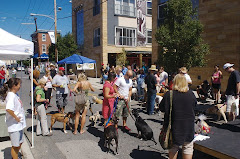
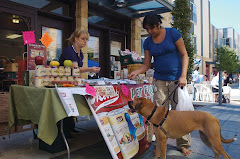
Under partly sunny skies, hundreds of attendees sampled, viewed, and talked to over 30 vendors and exhibitors gathered in the shadow of Liberties Walk retailers.

They listening to the beautifully smooth, acoustic sounds of Pete Tramo & WilliamZboy, sampled products, asked questions, won prizes and learned more about holistic & natural care for their animal friends.


The Pennsylvania SPCA brought an assortment of cats and dogs which all soon were adopted and went to new, loving forever homes! They then called for a second assortment to be brought out to the Natural Pet Expo and many MORE were adopted and found new homes!


Participating exhibitors included: Chic Petique, Natures Variety, Whole Foods, Super Dog, Natura/Innova, Primal Pet Foods, Canidae, Aunt Jeni’s Raw Pet Food, Pennsylvania SPCA,


Dr. Jennifer Forsyth - Bethel Mill Animal Hospital, Dr. Wendy Rodriguez - Animal Healing Center, Inc., Dr. Karen Hoffman - Mt. Laurel Animal Hospital, Young Living Essential Oils, Nupro Research, Inc. - pet food supplements, Animal Chiropractics from Christina Fuoco, VMD, The Reiki School and Clinic,
The Animal-Human Connection, Custom Pet Tags, K-9 Training & Behavioral Therapy, Custom Pet Portraits, Central Bark, Opportunity Barks,

Jane Brydon-Dog Training Coach, Harnessed to Hope Northern Breed Rescue, Inc, Northeast Animal Rescue, Dog Gone Deli, Proper Paws Training, Chez Bow Wow Grooming, Bonejour Pet Store and more…


Throughout the day, attendees enjoyed free pet massages, aromatherapy, reiki,sessions, oil essence treatments, tons of free samples, coupons and raffle prizes were given out to some lucky winners amidst the beautiful acoustic music of Pete Tramo & WilliamZboy.


Photo's courtesy Mark Gambol & Ed Snyder.

Thanks to our sponsors: Grace Misiti, Natures Variety, Lindsay Condefer, Chic Petique, Brett Mapp, Whole Foods & Bette Hanson, Natural Pet Expo Director.


The Natural Pet Expo was a success.


Under partly sunny skies, hundreds of attendees sampled, viewed, and talked to over 30 vendors and exhibitors gathered in the shadow of Liberties Walk retailers.

They listening to the beautifully smooth, acoustic sounds of Pete Tramo & WilliamZboy, sampled products, asked questions, won prizes and learned more about holistic & natural care for their animal friends.


The Pennsylvania SPCA brought an assortment of cats and dogs which all soon were adopted and went to new, loving forever homes! They then called for a second assortment to be brought out to the Natural Pet Expo and many MORE were adopted and found new homes!


Participating exhibitors included: Chic Petique, Natures Variety, Whole Foods, Super Dog, Natura/Innova, Primal Pet Foods, Canidae, Aunt Jeni’s Raw Pet Food, Pennsylvania SPCA,


Dr. Jennifer Forsyth - Bethel Mill Animal Hospital, Dr. Wendy Rodriguez - Animal Healing Center, Inc., Dr. Karen Hoffman - Mt. Laurel Animal Hospital,
 Young Living Essential Oils, Nupro Research, Inc. - pet food supplements, Animal Chiropractics from Christina Fuoco, VMD, The Reiki School and Clinic,
The Animal-Human Connection, Custom Pet Tags, K-9 Training & Behavioral Therapy, Custom Pet Portraits, Central Bark, Opportunity Barks,

Jane Brydon-Dog Training Coach, Harnessed to Hope Northern Breed Rescue, Inc, Northeast Animal Rescue, Dog Gone Deli, Proper Paws Training, Chez Bow Wow Grooming, Bonejour Pet Store and more…


Throughout the day, attendees enjoyed free pet massages, aromatherapy, reiki,sessions, oil essence treatments, tons of free samples, coupons and raffle prizes were given out to some lucky winners amidst the beautiful acoustic music of Pete Tramo & WilliamZboy.


Photo's courtesy Mark Gambol & Ed Snyder.

Thanks to our sponsors: Grace Misiti, Natures Variety, Lindsay Condefer, Chic Petique, Brett Mapp, Whole Foods & Bette Hanson, Natural Pet Expo Director.


Friday, April 27, 2007
NATURAL PET EXPO - June 10, 2007

This years NATURAL PET EXPO will take place in Philadelphia, PA from 10am to 4pm at 1040 N 2nd Street in the courtyard of the Liberties Walk complex in Northern Liberties.
The theme this year is PET FOOD & NUTRITION.
Starting at NOON - hear LIVE MUSIC from acoustic and folk/blues artists Pete Tramo and Williamzboy. Check out their musical offerings at www.myspace.com/octobertreeproject and www.myspace.com/folkabilly
At 1pm, Veterinarian Jennifer Forsyth, V.M.D from Bethel Mill Animal Hospital will give a talk on the Pet Food Recall -- Making the Right Choices for Your Pet. Find out exactly what to look for and what to avoid on pet food labels and how to pick the best food for your pet. Is raw food the best alternative? Dr. Forsyth will talk about the benefits, weigh the costs versus the time and give you THE answers you need to make informed and -safe- decisions for your pet. You won't want to miss this. NEXT, Dr. Karen Hoffman, from Mt. Laurel Animal Hospital will give a talk on "Safe Alternatives to NSAIDS/Aspirin" and "The Importance of Animal Dentistry"
 See what else you'll find at the Natural Pet Expo!
 + PET FOOD AND NUTRITION Find out what food is BEST (and worst) for your pet!
+ ARE VACCINATIONS DANGEROUS? Evaluate true risk of exposure – get informed.
+ HOMEOPATHIC & HOLISTIC CARE What is it and what are the benefits for your pet?
+ ALTERNATIVE CARE Learn about Reiki, Pet Massage, Acupuncture, Chiropractics, Flower Essences, Young Living Oils, Amazon Herbs and other all-natural care and health options.
+ ALL- NATURAL FLEA REMEDIES, BEST SELLING BOOKS, TREATS, TOYS AND MUCH MORE!
BE PROACTIVE AND RESPONSIBLE -- Talk to the experts and get the REAL scoop on the safety of commercial pet foods, learn about alternative health care and how to recognize the benefits & limitations of conventional and holistic options for your animal companion.
Our Sponsors this year are Chic Petique pet stores, dedicated to the natural care and wellness of your pet and serving you in two convenient locations, 3rd & South Streets and 1040 N. 2nd Street in the Liberties Walk retail Courtyard in Northern Liberties. Coming back for a 2nd year is
 NATURE'S VARIETY The Nature's Variety line of natural pet products was developed by families who have been engaged in sustainable production agriculture for over 140 years - raising quality livestock and growing crops in America's heartland. They are passionate about improving the health of your pet through better nutrition. With better ingredients and better nutrition, you can help your pet maintain proper body weight, reduce the risk of allergies, and enjoy a longer, healthier life by maintaining a healthy diet. They select the highest quality ingredients for the production of nutritionally dense and bio-available diets anhttp://www.blogger.com/img/gl.link.gifd treats. Their natural, nutritious products are produced with integrity and care for the health of your companion animal.
 And joining us in 2007 as a new sponsor is WHOLE FOODS!

Whole Foods believe in a virtuous circle entwining the food chain, human beings and Mother Earth: each is reliant upon the others through a beautiful and delicate symbiosis.
Whole Foods obtains products locally and from all over the world, often from small, uniquely dedicated food artisans. They strive to offer the highest quality, least processed, most flavorful and naturally preserved foods. Why? Because food in its purest state — unadulterated by artificial additives, sweeteners, colorings and preservatives — is the best tasting and most nutritious food available. Whole Foods also believe companies, like individuals, must assume their share of responsibility as tenants of Planet Earth.
The Natural Pet Expo team offers infinite gratitude & thanks our sponsors for all their generous support of our cause!
Thursday, April 19, 2007
NATURAL PET EXPO - JUNE 10, Philadelphia, PA

ANIMAL LOVERS, ADVOCATES AND ENTHUSIASTS DEDICATED TO THE HEALTH & WELFARE OF PETS -- PLEASE JOIN US FOR THE 4th ANNUAL NATURAL PET EXPO – SUNDAY, JUNE 10, 2007 at Liberties Walk in Philadelphia, PA. from 10am to 4pm. RAIN OR SHINE.
As an animal enthusiast, you may or may not be shocked by the recent Pet Food Recall. Our sympathies are with the pet parents who are dealing with the heartache of this situation and our hearts go out to any and all who may have suffered as a result. While the media played it's part in getting out the message, it has not done enough in covering the full and true story out...
Four years ago, Chic Petique joined with Bette Hanson to help educate others on natural pet care, founding the Natural Pet Expo with their primary topic ‘the dangers of feeding commercial grade pet food’. With the plight of thousands, and thousands of pets affected by tainted pet food recently in the news, it is more important than ever to get the word out about healthier choices in the care and welfare of our animal companions. Please join us for the NEXT Natural Pet Expo on Sunday, June 10, in Northern Liberties, Philadelphia, PA
Excerpt from Ann Martin’s “Foods Pet Die For” 1997 Sage Press "There are several reasons you really do not want to feed your dog or cat commercial foods. Perhaps the most compelling moral reason is that there are rendered, euthanized pets in much of this food. These pets have been mixed with other materials, including some condemned for human consumption: "rotten meat from supermarket shelves, restaurant grease..'4-D' (dead, diseased, dying and disabled) animals and roadkill."
In addition, two thirds of the pet food manufactured in the United States contains added preservatives, according to the Animal Protection Institute. There are also coloring agents, emulsifiers, lubricants, flavoring agents, pH control agents, synergists and solvents. "Of the more than 8,600 recognized food additives today, no toxicity information is available for 46% of them," the institute says.
EQ (ethoxyquin) is the most common antioxidant preservative in pet foods. It has been found in some dogs' livers and tissues months after the animal stopped ingesting it. Ethoxyquin is manufactured by Monsanto Chemical, the largest manufacturer of
bioengineered foods. EQ is listed as a hazardous chemical by the Occupational Safety and Health Administration (OSHA) and is considered a pesticide by the USDA. It is used in most US dog food, but is banned in Europe. The FDA's Center for Veterinary Medicine requested that pet food manufacturers voluntarily reduce the maximum level for ethoxyquin by half to 75 parts per million. Courtesy of 'New Living' Newspaper March 2001
NONE of this is good for your pets, help us continue our mission to get the word out! Our last big event was extremely successful and generated quite a buzz. Both Lindsay and I heard feedback from many attendees who were inspired, influenced, intrigued and informed by the strength of the content. Many have approached us all year asking again and again - "when is the next one?"
At the 4th annual Natural Pet Expo you can learn from the experts about what food is SAFE to feed your pet, holistic and homeopathic remedies, complete nutrition, commercial raw food vs making your own, alternative care modalities like Reiki and acupuncture, natural flea & tick remedies, the latest pet books and more!
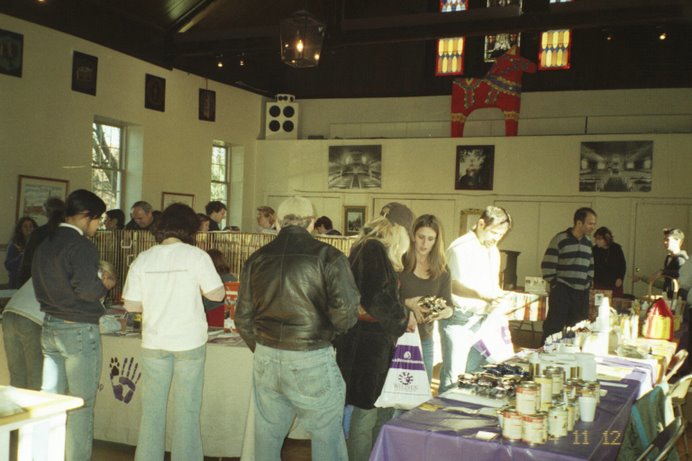
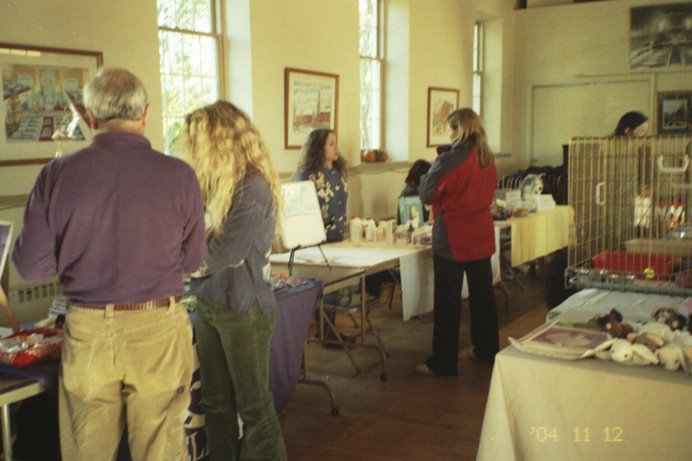
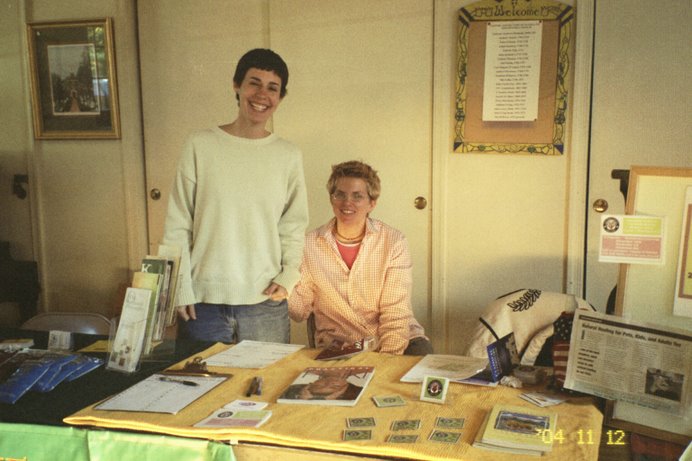
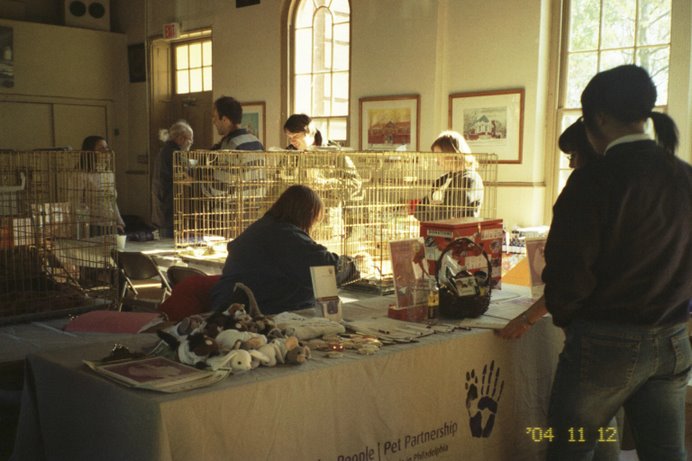
Founded in 2004, the Natural Pet Expo’s goal is to gather together leading pet experts, veterinarians, animal advocates, nutritionists, alternative care specialists and animal lovers of all kinds to help educate and inform YOU the pet owner. By providing a friendly and open forum -- you are welcome to explore, gather facts, ask questions and get one-on-one advice. In this way, common myths are debunked, valuable information is shared and you can make responsible decisions and actively participate in your pet’s well being.
Our mission is simple:
• We aspire to follow, gather and provide the latest information and data on natural health choices, alternative care and nutrition for pets and provide access to this information in a practical, clear and easy to understand friendly forum.
• Our goal is to educate, inform, debunk myths and increase awareness, inspiring health conscious individuals to take responsibility for their pets’ well being, strengthening and allowing that special bond to grow between human and animal.
Run by volunteers, the first Natural Pet Expo took place in November, 2004 and involved over a dozen wellness-related animal health care providers, advocates and businesses relates to natural and organic pet care.
In 2005 and 2006, the Natural Pet Expo continued our quest to increase awareness about healthy pet care, health and nutrition. We added an informative Resource Booklet loaded with articles and information.
Our mission is a big one. Just one company, Ralston Purina makes more than 4 billion dollars in profit off of dog owners a year! Much time, effort and advertising dollars are spent misinforming the consumer. The pet food recall has brought to light the dangers carried in commercial pet food to the public eye. Now is the time to act when interest and a search for knowledge is at the forefront. Please join us in helping spread the word about our grassroots effort to bring even more awareness on more natural choices to the pet consumer.
Please join us at the 4th annual event on Sunday, June 10 from 10-4pm at the Liberties Walk location of pet store Chic Petique in Northern Liberties, Philadelphia. Call 215.238.0981 or email me here for more information!
Bigger than you think: The story behind the pet food recall

YOUR WHOLE PET
Bigger than you think: The story behind the pet food recall
By Christie Keith, Special to SF Gate
The March 16 recall of 91 pet food products manufactured by Menu Foods wasn't big news at first. Early coverage reported only 10-15 cats and dogs dying after eating canned and pouched foods manufactured by Menu. The foods were recalled -- among them some of the country's best-known and biggest-selling brands -- and while it was certainly a sad story, and maybe even a bit of a wake-up call about some aspects of pet food manufacturing, that was about it.
At first, that was it for me, too. But I'm a contributing editor for a nationally syndicated pet feature, Universal Press Syndicate's Pet Connection, and all of us there have close ties to the veterinary profession. Two of our contributors are vets themselves, including Dr. Marty Becker, the vet on "Good Morning America." And what we were hearing from veterinarians wasn't matching what we were hearing on the news.
When we started digging into the story, it quickly became clear that the implications of the recall were much larger than they first appeared. Most critically, it turned out that the initially reported tally of dead animals only included the cats and dogs who died in Menu's test lab and not the much larger number of affected pets.
Second, the timeline of the recall raised a number of concerns. Although there have been some media reports that Menu Foods started getting complaints as early as December 2006, FDA records state the company received their first report of a food-related pet death on February 20.
One week later, on February 27, Menu started testing the suspect foods. Three days later, on March 3, the first cat in the trial died of acute kidney failure. Three days after that, Menu switched wheat gluten suppliers, and 10 days later, on March 16, recalled the 91 products that contained gluten from their previous source.
Nearly one month passed from the date Menu got its first report of a death to the date it issued the recall. During that time, no veterinarians were warned to be on the lookout for unusual numbers of kidney failure in their patients. No pet owners were warned to watch their pets for its symptoms. And thousands and thousands of pet owners kept buying those foods and giving them to their dogs and cats.
At that point, Menu had seen a 35 percent death rate in their test-lab cats, with another 45 percent suffering kidney damage. The overall death rate for animals in Menu's tests was around 20 percent. How many pets, eating those recalled foods, had died, become ill or suffered kidney damage in the time leading up to the recall and in the days since? The answer to that hasn't changed since the day the recall was issued: We don't know.
We at Pet Connection knew the 10-15 deaths being reported by the media did not reflect an accurate count. We wanted to get an idea of the real scope of the problem, so we started a database for people to report their dead or sick pets. On March 21, two days after opening the database, we had over 600 reported cases and more than 200 reported deaths. As of March 31, the number of deaths alone was at 2,797.
READ THE REST OF THE ARTICLE HERE...
Christie Keith is a contributing editor for Universal Press Syndicate's Pet Connection and past director of the Pet Care Forum on America Online. She lives in San Francisco.
Subscribe to:
Posts (Atom)